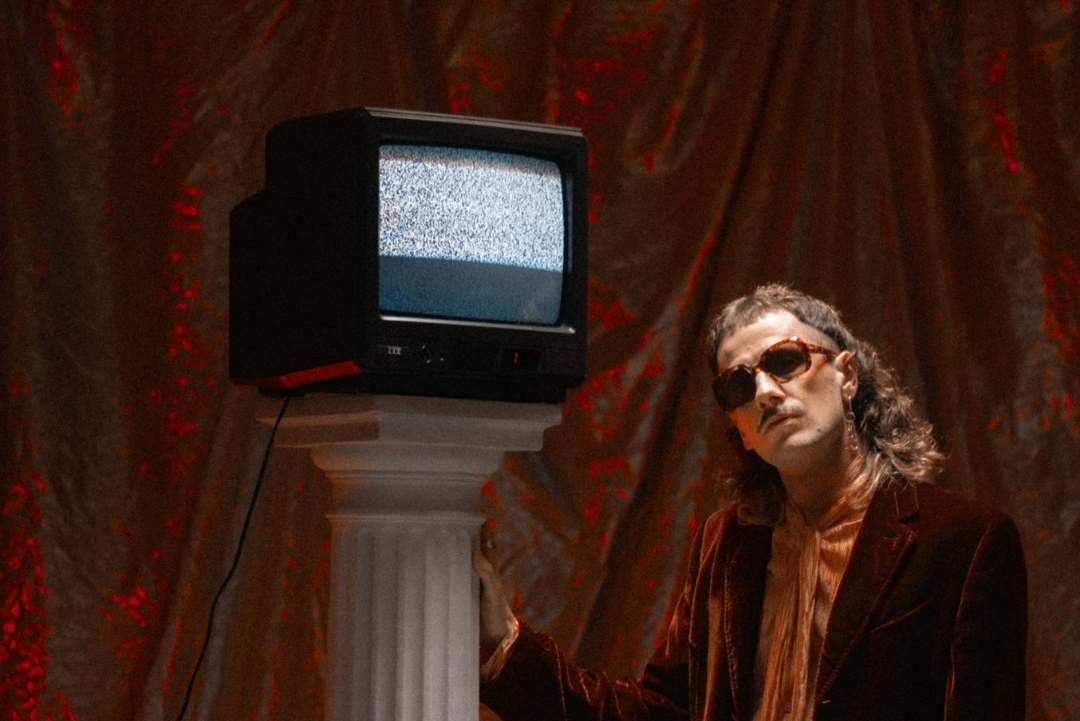
Music Saved My Life – Wolfgang Valbrun on Sound and Self


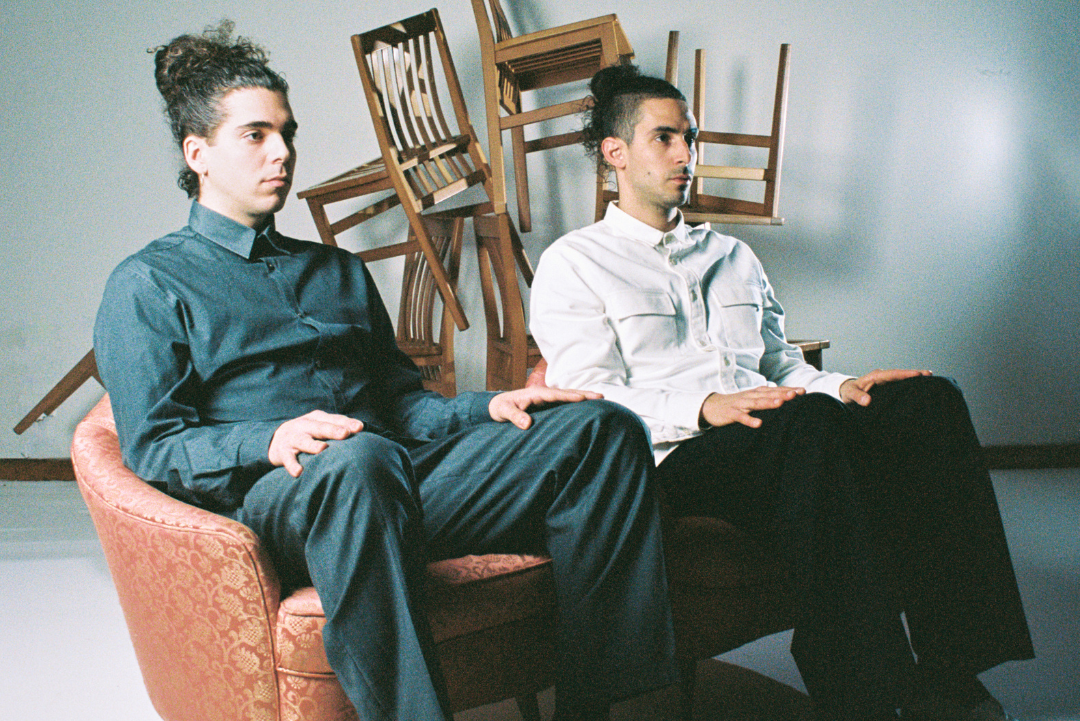
For Wolfgang Valbrun, music has never been just a form or a category — it has always been something deeply personal, something that “saved” him and continues to shape how he connects to the world. Drawing from a wide range of influences and building his songs through an organic, collective process, his sound moves freely between styles while staying rooted in emotion. On April 17, he performs for the first time at A38 Ship in Budapest, stepping into a new city with an open mind and heart.
You grew up surrounded by very different musical influences, from Caribbean sounds to soul and later jazz and hip hop in Paris. Looking back, do you remember the first moment when music stopped being just something around you and became something you felt personally connected to?
I think that music has always been something that I’ve been personally connected to. I often say that music saved my life. It made hard days better and good days great.
Your mother seems to have played an important role in your early relationship with music. What kind of listener was she, and how did her taste or attitude towards music shape the way you experience it today?
My mom was and still is an enthusiastic music listener. I think what marked me the most was here eclectic taste and that is clearly what marked me.
Did your path into music feel more intuitive and experience driven, or did you have any kind of formal training that shaped the way you approach it?
It’s funny because young, between 5 and 11, I did a bit of a solfege and piano. But that didn’t really stick with me as I was growing up. My approche to music is quite emotional and I’m lucky to have my friends that have the technical knowledge to help in it’s creation.
Before your solo work, you were the voice of Ephemerals, a project that already had a strong emotional and sonic identity. What did you feel was missing there that pushed you toward starting your own project under your name?
I don’t think that anything was missing. Ephemerals was an amazing band to be a part of, but with time I wanted to write with other people and sing other things. And the band took my name because my band/friends believed in me and what I wanted to defend.
Your music seems to exist at the intersection of multiple cultural and musical worlds, yet it never feels fragmented or constructed, more like a natural extension of who you are. When people ask you to define your sound, do you feel the need to give it a name, or is that constant movement between styles and identities actually the most honest way to describe what you do?
I think people need to define things because we’ve always been taught to categorize things. It’s reassuring for some to be able to identify and label things in conjunction or opposition with an idea. I believe that there is a certain fluidity between genres and styles. And music, but also art as a whole will always be in constant movement.
You started releasing music under your own name during a time when the world was slowing down, during the pandemic. Did that period of isolation or reflection play a role in shaping the tone of your solo work?
It strangely accelerated things I think. And it brought me closer to people that I love and respect. And it’s thanks to them that I started using my name.
A big part of Flawed By Design came together through writing sessions in Bristol with your band, where you developed early versions of the songs before later recording the album in Rockfield. Can you take me back to that process a bit? What did those sessions look like in practice, how collaborative was the writing, and how much did the songs evolve between those initial Bristol recordings and the final versions?
I think that those early days are the blueprint for the way that we do things today. The writing is completely a composite of all of us. Could it be one of us that comes with a riff, or a melody or sometimes just a phrase. And then we build upon it all together. It’s very organic. Like a coral reef or an ant colony. After we’ve got a demo version that we’re all happy with that’s when some of the more technically savvy members start to create the final versions.
If Flawed By Design had to be reinterpreted by another artist from a completely different genre, who would you trust with it?
Wow, tough question, don’t really know. I’d love to hear so many different variations. Maybe a Billie Eillish pop version or a Queen version for certain songs. But yeah don’t really know.
After Flawed By Design, are you already thinking about the next chapter, whether that means new material, collaborations, or evolving your sound further?
We’re actually already working on our second album. I’d love to collaborate more, but never really know how to go about it. It’s funny because I’m strangely kind of shy when it comes to asking.
If you could go back and give one piece of advice to your younger self at the very beginning of your career, what would it be, and would he even listen?
I think I would tell myself to get out of my head and take better care of myself. Would he listen, who knows.
Your upcoming show in Budapest is supported by Liveurope, a network that helps emerging European artists reach new audiences across the continent. From your experience, how has being part of initiatives like this shaped your connection with new audiences and different music scenes?
It’s always great being part of something that is bigger than ourselves. It’s humbling and it makes you feel greatful because having something like this believe in what you want to share with the world makes you believe even more.
Is this going to be your first time performing in Hungary, and if so, what kind of expectations or curiosities do you have about the audience here and about the A38 Ship as a venue, which has a very unique atmosphere?
I actually can’t wait! Think it’s going to be an amazing time. I like going into a new venue and city with an open mind and heart.