Rave for Saxophones: Smag På Dig Selv Bring Their Peaceful Riot to A38


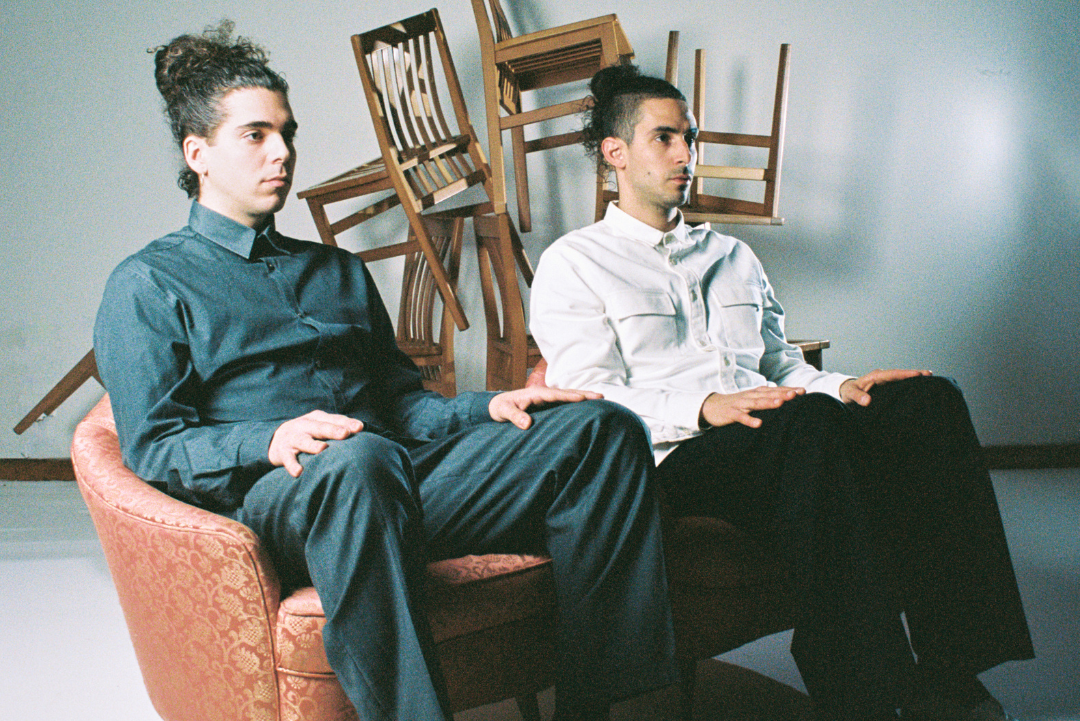
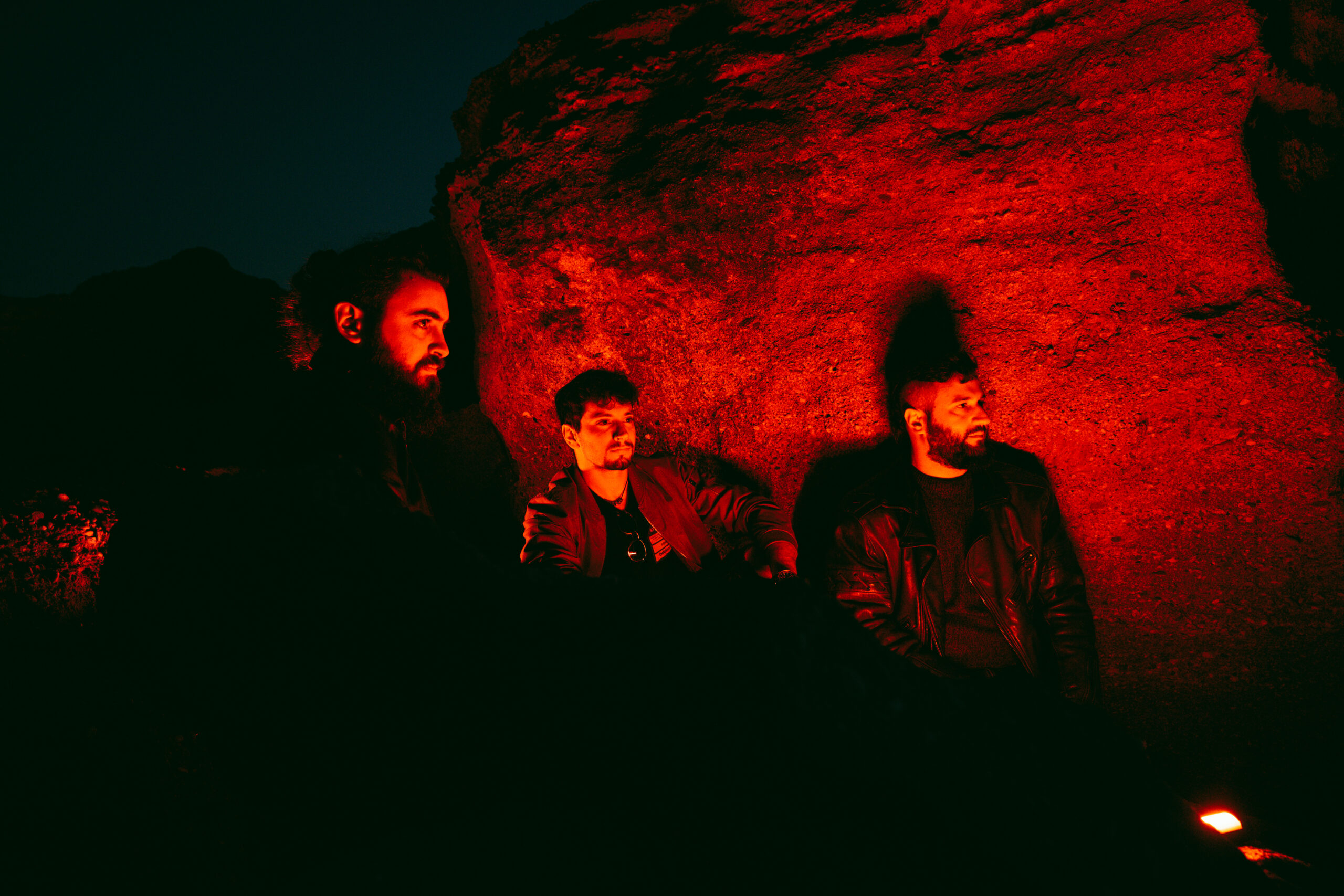
Copenhagen-based trio Smag På Dig Selv have built a sound that feels as explosive as it is unclassifiable, blending punk energy, saxophone-driven rave chaos and influences drawn from across Christiania’s rich musical underground. Ahead of their A38 show, they spoke to us about the cultural environment that shaped them, the darker and more mature mood of their new album This Is Why We Lost, and how their concerts become intense, collective experiences shared between band and audience.
You started out in Christiania, which has a very unique cultural atmosphere. How did that environment shape your sound and your way of thinking about music?
So many musicians have come through Christiania! That means that you get exposed to so many great musicians by just being there. There are around 1,000 people living in Christiania with 9 venues. Also, there is jazz, punk, samba, hiphop, etc. so it has influenced us in the way that we take inspiration from everything and don’t limit ourselves to one genre
Your music is often described as “rave for saxophones.” How did this idea first come to life? Was there a specific moment when it clicked?
We didn’t start playing together because we like the same music necessarily, or because we liked each other. We just had to go along with the type of music and musicians which was available to us. And that led to the odd constellation of two saxophonists and one drummer. We come from so different scenes, and our music is just a compromise of all the music that we like. And that’s why we mix so many genres.
Your band name, Smag På Dig Selv, is quite intriguing. What does it mean, and how did you come up with it?
We came up with the name before Albert was a part of the band. We came up with it on a night out drinking beers. No one really remembers how, but the next morning we woke up with the band being called Smag På Dig Selv. It refers to being full of yourself, kind of smug and self-satisfied.
On “Our Mothers Made A Punk Band”, your mothers actually feature on the track. How did this idea come about, and what was their reaction when you asked them to be part of it and what did it mean for you to involve them?
Since the beginning our moms often sell merch at our shows and this idea of them starting a punk came up as a joke. Their name means “Take care of yourself” which is very suitable for a band made of our moms. Eventually they started playing together and we invited them to open our shows at Vega last year. So when we decided to have them feature our album it was an obvious choice. They were really happy and excited to be in the studio with us!
Your new album “This Is Why We Lost” feels darker and more tense compared to earlier releases. What inspired this shift in tone?
On the new album we were trying to show that we wanted to take our music, and ourselves, a bit more seriously. So, we like to say that we, musically speaking, are the age of 18 now. On the old album, we were the age of 14, and now we are the age of 18. Also, the fact that “Our Mothers Made A Punk Band” is at the end of the album is like sending us on a journey to become musical adults. Most of the album was recorded after a long period of touring with summer turning into fall, so the mood automatically became darker.
“Ya Tal3een” is based on a Palestinian folk song. How did that idea come about, and what does it mean to you to reinterpret such material?
We have previously worked with Luna Ersahin and she is also featuring on the track “Nigiri” on our first album and has performed with us many times live. One of the songs that we have performed together is an old Palestinian folk song called “Ya Tal3een”, so it seemed obvious to record that as well. We support the Palestinian people!
You’ve played major festivals like Roskilde, SXSW and Eurosonic. Did your perspective on your own music change after stepping outside the Danish underground?
Our live shows are something that we put a lot of pride and energy into and always will, being underground or not. We spend a lot of time building and tweaking our live show in order for it to have the ideal build ups and transitions. We keep developing and pushing ourselves in new directions, so bigger stages just means bigger, bolder moves.
If someone walks into your A38 show without knowing anything about you, what do you hope happens to them in that one hour?
We want our live shows to be a shared experience with the audience – a bit like an energetic (peaceful) riot that people can participate in. We always want our sets to hold the audience’s focus all the time, as much as possible. And when we really get to that point, where we play our best, it becomes a collective physical experience with the audience. So we hope that the audience will experience this with us.
You’ve been part of the Liveurope network, which supports emerging European artists. How did that experience shape your journey beyond Denmark?
We’ve played many times outside of Denmark before being a part of the Liveurope network, so we don’t know yet.
Through Liveurope, you play in different cities across Europe. Do people connect to your music differently depending on where you play?
We’re always nervous to play for a new audience that might not like or understand the music, but luckily we have only had great experiences so far. We often see that people start dancing, making mosh pits and singing along to our songs even without us telling them to. It seems like our music creates a feeling of community in a way.