From Reset to Identity: Khirki on Songwriting, Myth and Budapest


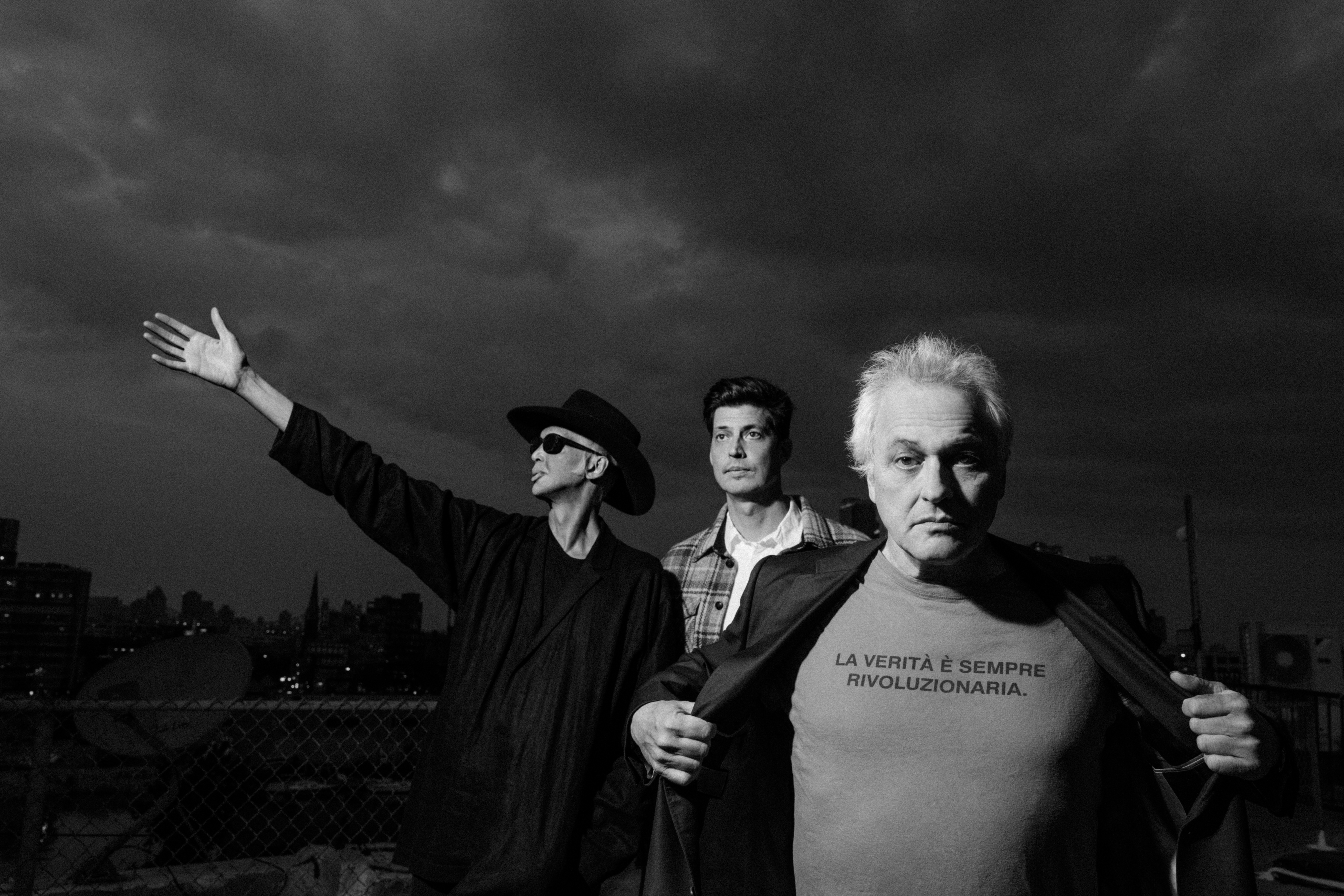
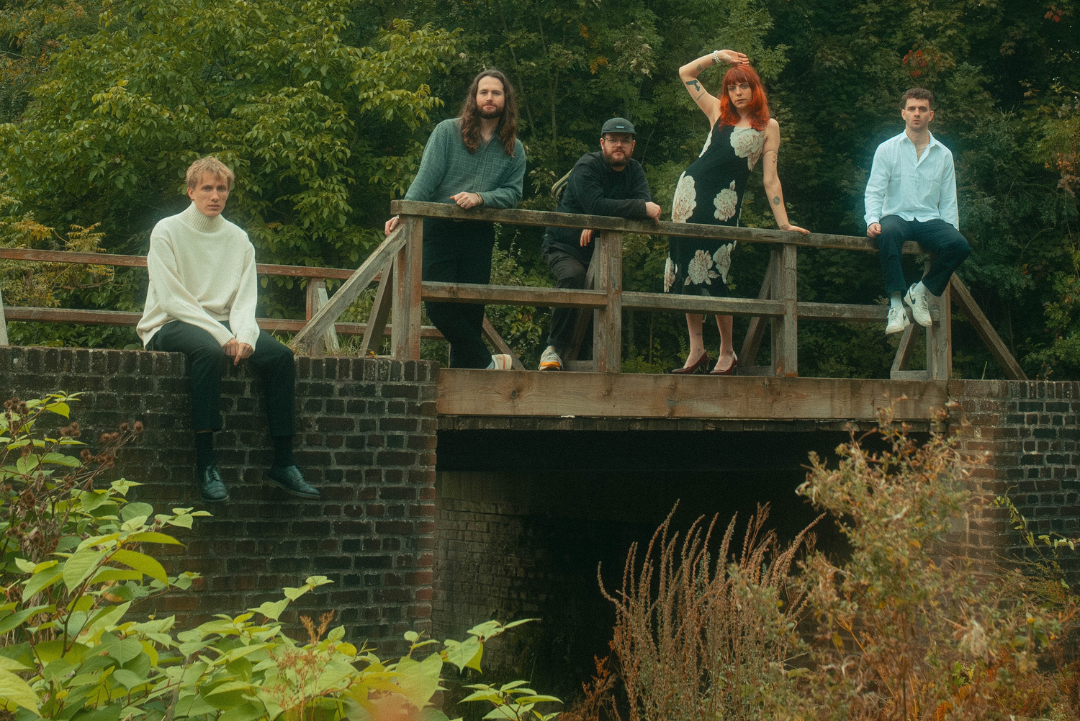
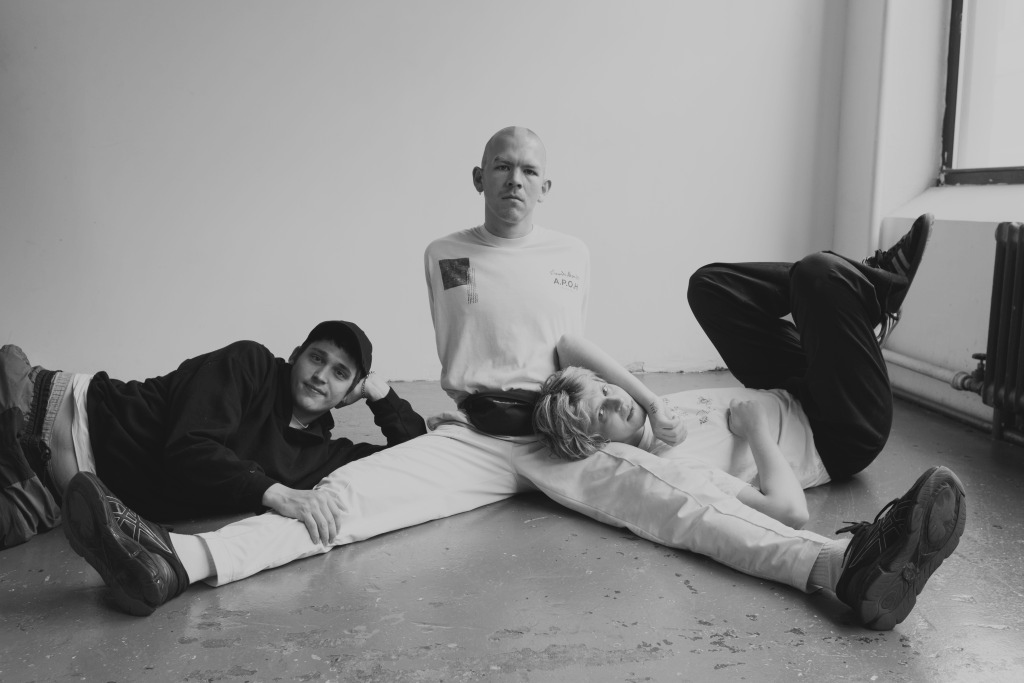
After starting over under a new name, Khirki built their identity with greater experience, clearer intention and stronger songs from the very beginning. Their music grows out of riffs and melodies they truly believe in, developed together in the rehearsal room, while their blend of metal and Greek folk and their use of mythology reflect themes that are both personal and universal. They return to Budapest to play A38 Ship on May 2, where the connection with the city and its audience has already become an important part of their journey.
Before Khirki, you had already been playing together in Mad John the Wise, but then you chose to continue as a trio and begin again with a new identity. What did that reset give you creatively that the previous version of the band could not?
We had to break up the previous band for artistic differences. Τhe member that was left behind asked us to drop the name Mad John the Wise as the four of us started it together. We respected his wish and we started fresh. After all, we had become much more experienced in writing and recording music and we really believed that the new songs would be 10 times better than the previous ones. Eventually, this reset gave us momentum as our first album “Κτηνωδία” sounds much more mature than most debuts. As a result, many heads turned our way because of the power of that record. Additionally, we were given a second chance to learn from past mistakes and do everything right the second time around, which includes band concept, image and style.
Khirki is named after Circe, a figure associated with transformation, temptation and altered perception, and that seems deeply aligned with the band’s artistic world. Was it important from the outset that Khirki should embody that kind of tension and magnetism?
Exactly. It is part of the band concept and style. The sorceress is the symbol of our unique hybrid of metal with Greek folk; tension and magnetism.
Dimos once said that every song needs three basic ingredients: a cool riff, a vocal hook and originality. Does that still feel like the heart of your songwriting today, or has your sense of what makes a song truly feel like Khirki changed over time?
I still believe that deeply. These basic but extremely important ingredients make or break songs. We followed that guideline during the making of our two records as well as on the third one. If you really believe in an idea you will not bury it underneath another 10 ideas. At the end of the day it is a matter of confidence in your songwriting abilities. If you truly stand by a riff you will build a song around it and the song will have identity.
Your songwriting seems to move between very physical jamming as a band and much more solitary moments of shaping melodies and lyrics. In practice, where do Khirki songs usually begin for you? In the rehearsal room, at home, or in specific places and environments? And are there landscapes, cities or experiences in Greece that consistently find their way into the music?
Usually, a single riff or a melody comes to me while I’m driving my motorcycle or jamming on my acoustic guitar on my couch. Then the most demanding and time consuming process begins, where I will try to find some complementary ideas to the initial one, until I have a small family of riffs and melodies. That’s when a song begins to take shape. I will then present it to the boys and they will start putting their own touches on it. Riffs might be moved to different sections, melodies might change a bit, new ideas will also flow. But we always practice and jam and play all together in a room. We never share files for composing purposes, we write music together in our practice space because we believe that is the only way. Only after a song has a somewhat final structure I will make stripped down, acoustic demos with vocals so everybody can listen to and maybe work on. We try to have exciting orchestration with a constant flow of surprises. People go as far as to call us progressive because of that.
As for the landscapes, I like that you mention it because we have cities and images in our imagination and they are indeed a source of inspiration. They might come from real places like the river Aheron, the city of Istanbul or a beach with sand dunes in the island Crete, or from a painting. In a way, we tend to exist somewhere in an “Eastern” atmosphere.
Κτηνωδία already sounded like a band with a very clear identity, while Κυκεώνας feels broader, heavier in places, and also more layered and more confident. Looking back now, what remained essential from the first record, and what had you already outgrown by the time you started shaping the second?
The marriage of folk and metal that we introduced in Κτηνωδία, I think was established in Κυκεώνας and will always be a part of our identity. The parts that have been reduced if not completely left out are some naive and kind of tongue-in-cheek elements. I always say that our first record is like a boy who’s eighteen years old; full of piss and vinegar! After a while we matured and started embracing more complex emotions.
Your music never uses mythology as mere decoration. It feels more like a living language inside the songs. What keeps drawing you back to these figures and symbols? Their darkness, their poetry, or the fact that they still seem to say something true about people now?
Thank you for the nice comments. We use mythological creatures and figures to make a statement, whether it is political, social or deeply personal. For example, our song Medea is about jealousy, Συμπληγάδες is about the people who dare, and Stara Planina is about the destruction of the environment. Mythology carries a certain darkness, but it’s deeply human and relatable. That’s what keeps bringing us back to it.
You described Father Wind as your own sea shanty, almost like a sailor’s prayer. What drew you to that image when writing the song, and what kind of force did you want the wind to represent in it? Nature, fate, freedom, or something more personal?
There is a traditional Greek song from the north which is called “O kyr Vorias” that translates to “Mr. Northern Wind”. That’s what inspired me to write it. This song has a personal meaning, which is fairly evident in the lyrics. I chose to frame it as a sea shanty so that others could connect with it in their own way.
In one interview you mentioned loving those moments when the listener does not know what is waiting around the next corner. Is that same sense of unpredictability something you also want to create live, for the audience to feel slightly off balance, but completely inside the spell?
Yes. That is why we pay attention to the flow of a setlist, we make some changes to the songs and try to be adventurous. We are a trio so we are always on the edge and we feel constantly and individually exposed.This danger is part of Khirki and maybe that‘s why the audience might feel slightly off balance as well.
When you play outside Greece, what do you enjoy more: when people recognize the local roots and references in the music, or when they respond to it instinctively without needing to understand any of that context at all?
I enjoy watching people having fun and responding to the music whether they understand why it moves them or not. It is the most magical feeling in the world, but I think it is impossible to explain.
As a band that has been part of the Liveurope circuit, how do you see the value of an initiative like this from the artist’s side? What makes it important, not just for getting bands across borders, but for building a real European live music culture?
Making a living out of your own music is often described as a miracle. There is a romantic tinge to this statement but also a sociopolitical one. Because you need a day job to sustain yourself that also allows the flexibility to tour. Not everybody has rich parents, you know! And even if you manage to book and go on your first tour, both the band and the venue are probably going to lose money because little to no people will show up. As such, Liveurope is both an opportunity and a network. First of all, upcoming bands have a list of contacts from venues of high standards and this is important because it eventually leads to shows of good quality (sound, organizing etc.). Second of all, it allows for financial damage control or even profit during the first tours. With proper direction, Liveurope can evolve from a motivation to promote upcoming artists to a cultural movement.
This is your third time at A38, so by now this is no longer just a stop on a tour map. What kind of memory does Budapest hold for Khirki at this point?
Being a Jethro Tull fan, I ‘ve always wondered what made Ian Anderson write a song about that city. I think I get it now. I’ve only visited Budapest with Khirki, but there is a certain gothic beauty I get from walking around the streets and witnessing the architecture of all those old buildings. I want to explore more of it and I tend to think about it just before I go to bed after our shows there. Above all, there is a passionate audience there for Khirki and having the opportunity to play for all these beautiful people on a boat in the Danube is a totally unique experience, not just a stop on a tour map!