First Time in Hungary: DITZ Take the Stage on the Danube


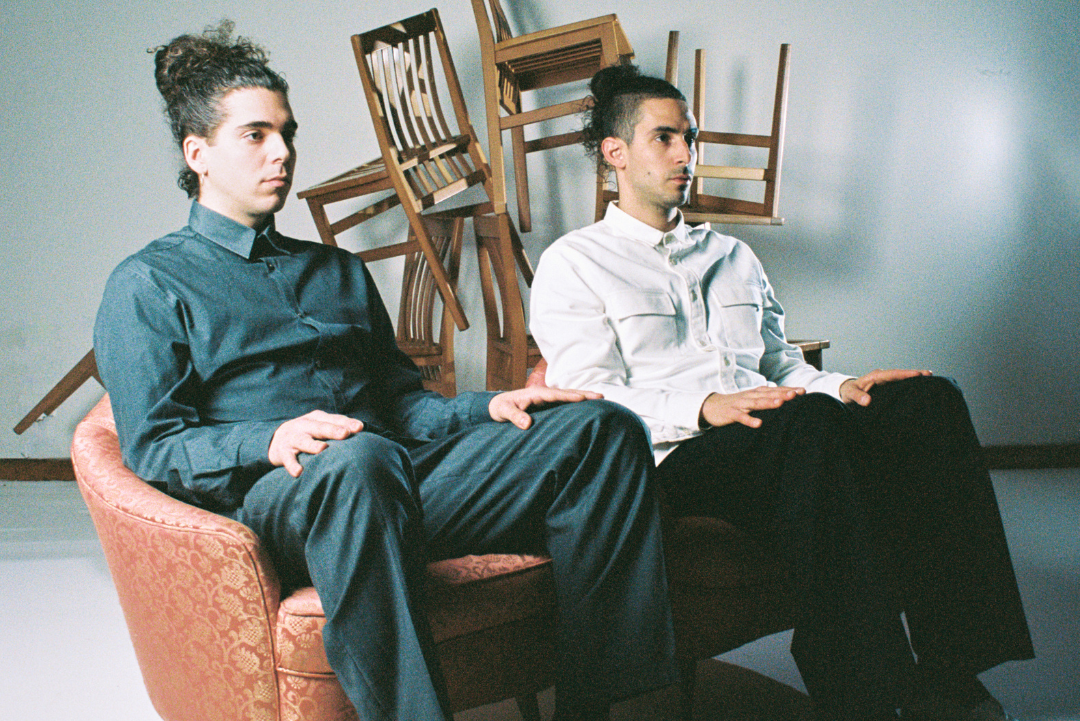
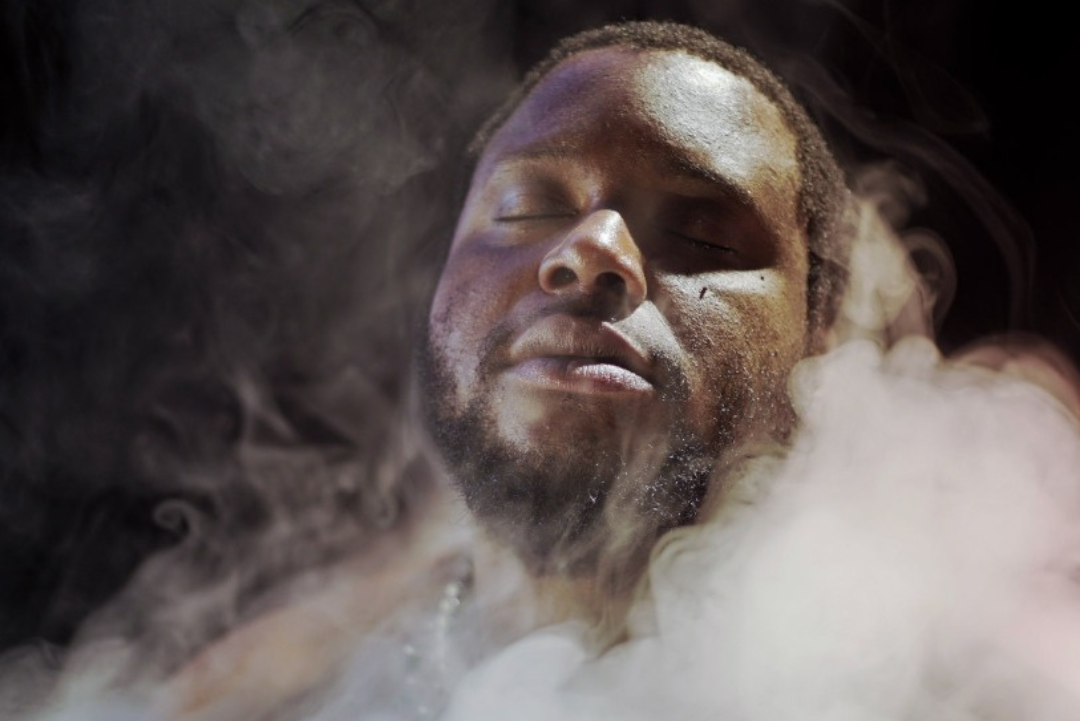
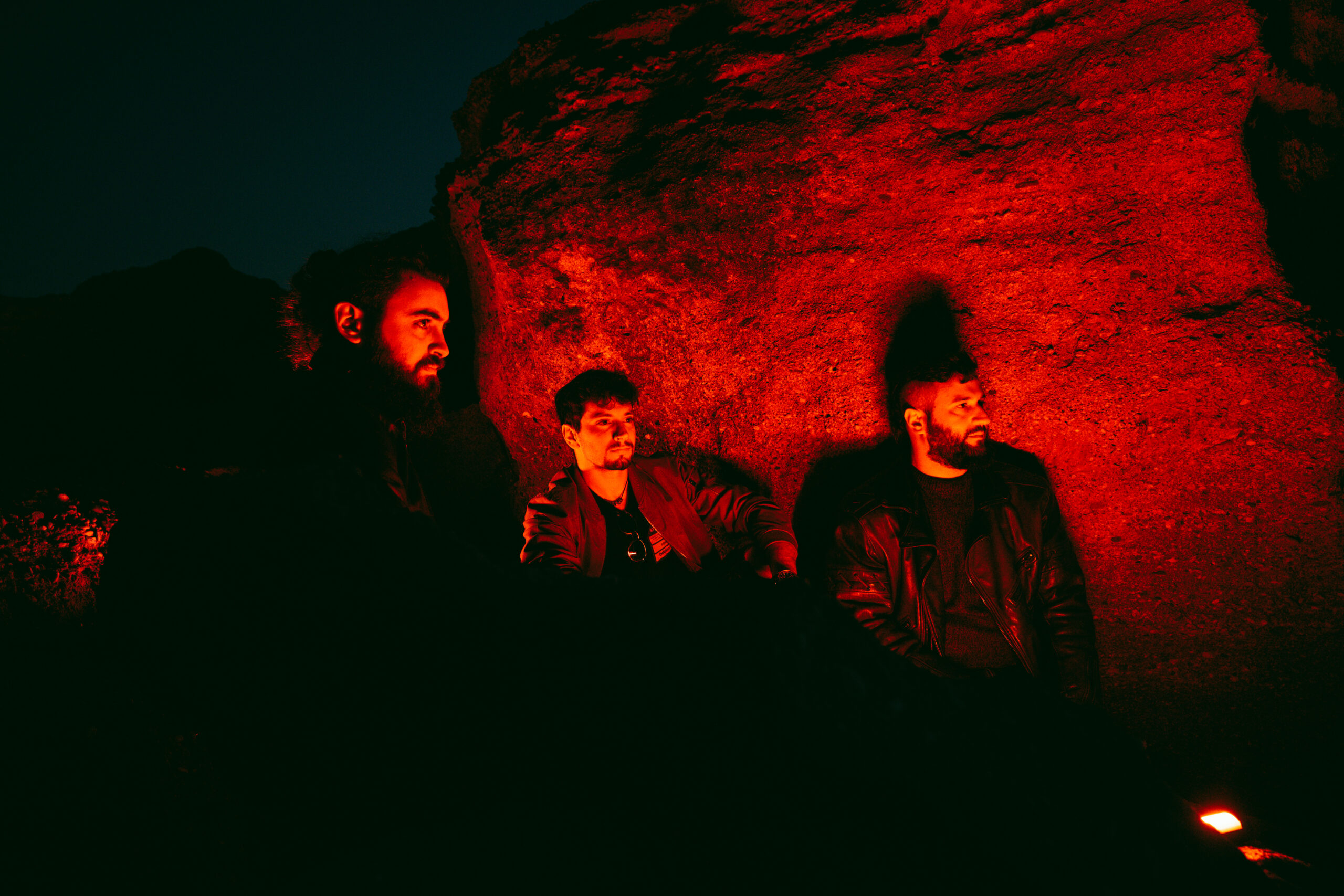
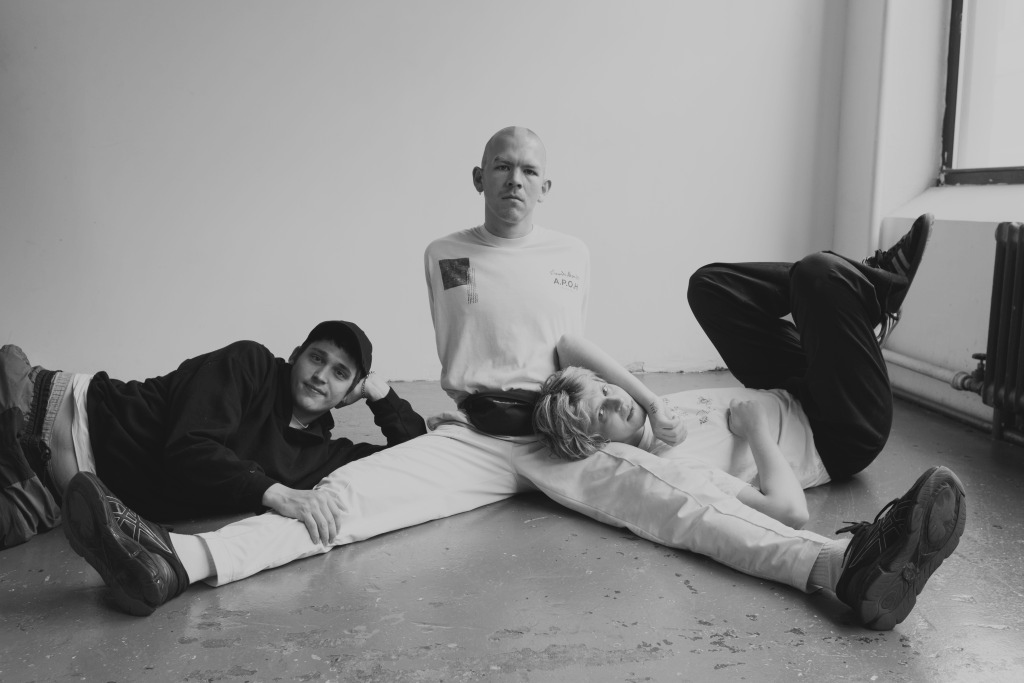
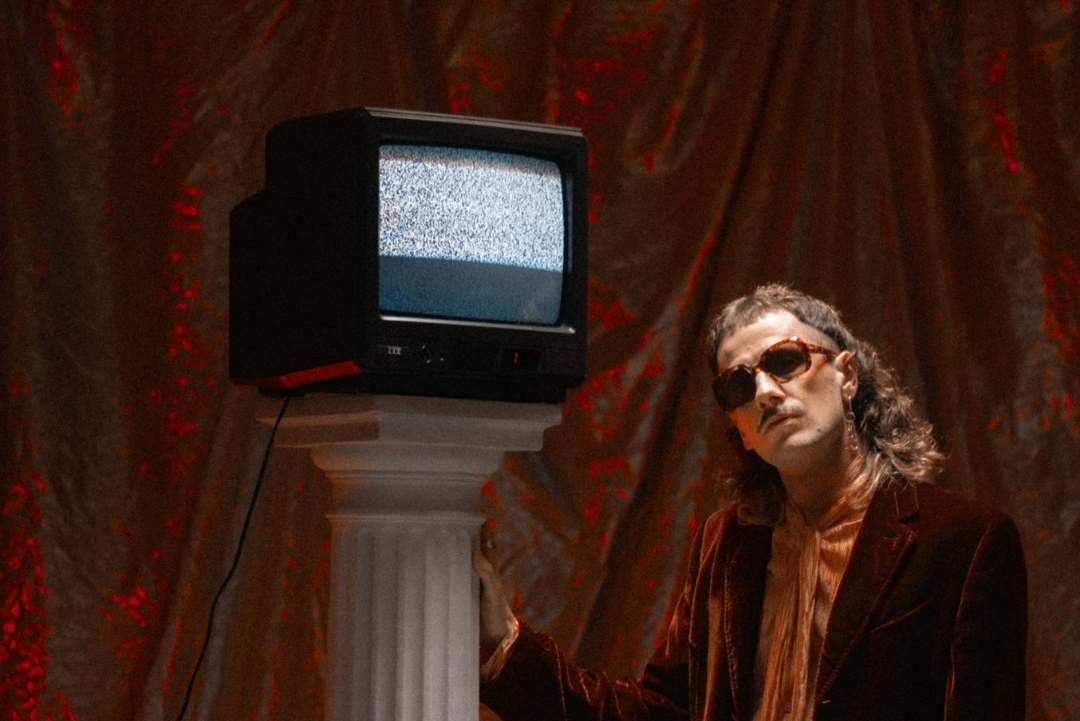
For DITZ, playing live has been a constant focus, especially in the years after lockdown, when the band made the most of being back on the road. Their songs often grow from individual ideas that are then shaped collectively, in a process that balances instinct with a clear sense of direction. On April 22, they play A38 Ship for the first time, bringing this approach to a new setting on the Danube, with curiosity towards the city and its audience.
You have been a band for nearly a decade now, but it feels like the past few years have really accelerated everything, constant touring, growing audiences, bigger stages. From your perspective, what actually changed during that period, and what were the key moments that pushed things forward?
I think it stems back to lockdown. Once we were free to play shows again we really made the most of it.
Brighton is often seen as a hub for guitar music, but you have also hinted that the scene can feel competitive or even fragmented. Do you feel part of a scene, or more like you are operating alongside it?
It’s a weird one. I feel like we’re couple of generations detached from the new bands that come up now. Most of the bands we used to play shows with in Brighton when we were first starting out have long broken up. Shouts out to CLT DRP and Projector who are two I can think of that haven’t. I still make an effort to go and see as much of the new stuff as possible though. Every couple of weeks I find a new Brighton band I didn’t know before.
Live performance seems to be at the core of what you do. You often talk about saying yes to almost every show early on, and building everything through touring. At this point, do you see DITZ primarily as a live band, and if so, why has that become such a defining part of your identity?
I guess because we’ve done it so much. We have really been prolific at recording up to this point, the live experience has been our main arena. It’s something we’re aiming to change when we get to the next record. We like to do an album that we feel is as memorable as the live show.
You ended up touring with IDLES quite early on, after they had already pointed you out as one of the most exciting bands coming out of Brighton. How did that relationship actually start, and what did that experience change for you as a band?
It gave us a sense of scale. To us it was weird to go from playing an hour and a half to 200 people a night to half an hour in front of several thousand. It showed us what could be accomplished but didn’t necessarily make us think that we did have to be exactly that.
Your writing process is quite loose in structure. Usually one person brings in an idea and the rest builds around it, rather than writing everything together in a room. How do you make sure that the end result still feels cohesive?
I think mostly by not stepping on what other people do with their sound too much. That’s the key to being in a band. Be a group of individuals.
You have also been quite open about the realities of the music industry, how difficult it is for bands to survive while staying creative. Do you think that pressure is shaping the kind of music being made right now?
Possibly but also I think it gives us our edge live. Because it becomes such a task to form an actual band and put the effort in you end up with a lot of these acts that don’t really get out much. Bedroom pop that got big on the internet. It always tanks live though because they’ve got no experience playing to a crowd.
Never Exhale was written in very specific situations, on the road, in borrowed spaces, even in places like that bunker in Cologne. How much did those environments actually shape the songs, and do you feel like that way of working pushes you creatively, or does it sometimes leave you without the time and space to fully develop your ideas?
It’s hard to say. Physically some of the places that were smaller definitely made us write stuff that was louder just because of the nature of the room.
You said you often abandon ideas quickly if they do not feel right. Was there anything during Never Exhale that you almost threw away but ended up keeping, and now you are glad you did?
When Looker (Jack, guitarist) brought Britney to the table he really didn’t think we’d bite on it. It’s probably one of our favourites to do live now though.
Your lyrics often feel intense, fragmented and very physical, but also socially aware at the same time. How conscious are you about the themes you work with, and how much comes instinctively? And in that sense, what does the broader punk and post-punk tradition mean to you today, do you still see it as something with real social impact?
I think I’m usually aware of what I’m doing. Stream of consciousness is a big part of it, but without a focal point it feels like wasted effort. I wouldn’t say I’m into writing polemic though. Most art that has really lasted isn’t that. It’s better to a timestamp and display your own personhood.
Looking ahead, you have hinted that the third album should move away from what you have done so far. What do you feel you have already exhausted, and what are you curious to explore next?
I wouldn’t want to give away too much. We’re definitely in the process. But I think a lot of our progression has been quite natural.
You will be playing at A38 for the first time on April 22, on a ship on the Danube, which is quite a unique setting. How are you preparing for that show, especially coming off such an intense touring schedule, and what are you expecting from the night, both in terms of the space and the audience?
It’ll be our first time in Hungary so I think it’s better to have no expectations. We’ve crossed the Danube a lot of times during our time as band though and I’m very much looking forward to playing a show on it.