“Quality will always succeed finally” – Christoph Huber on building audiences, artistic freedom and the future of independent clubs


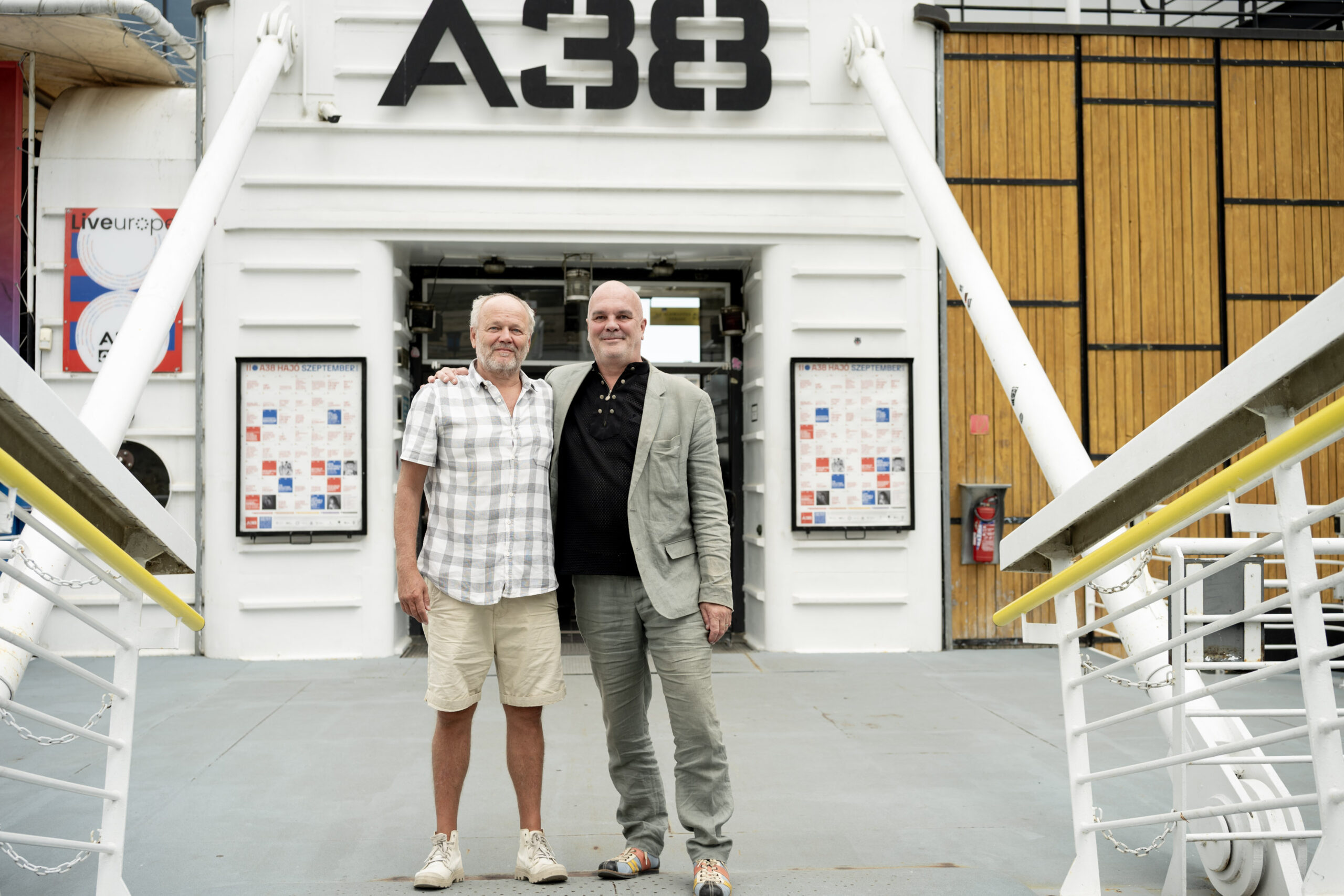
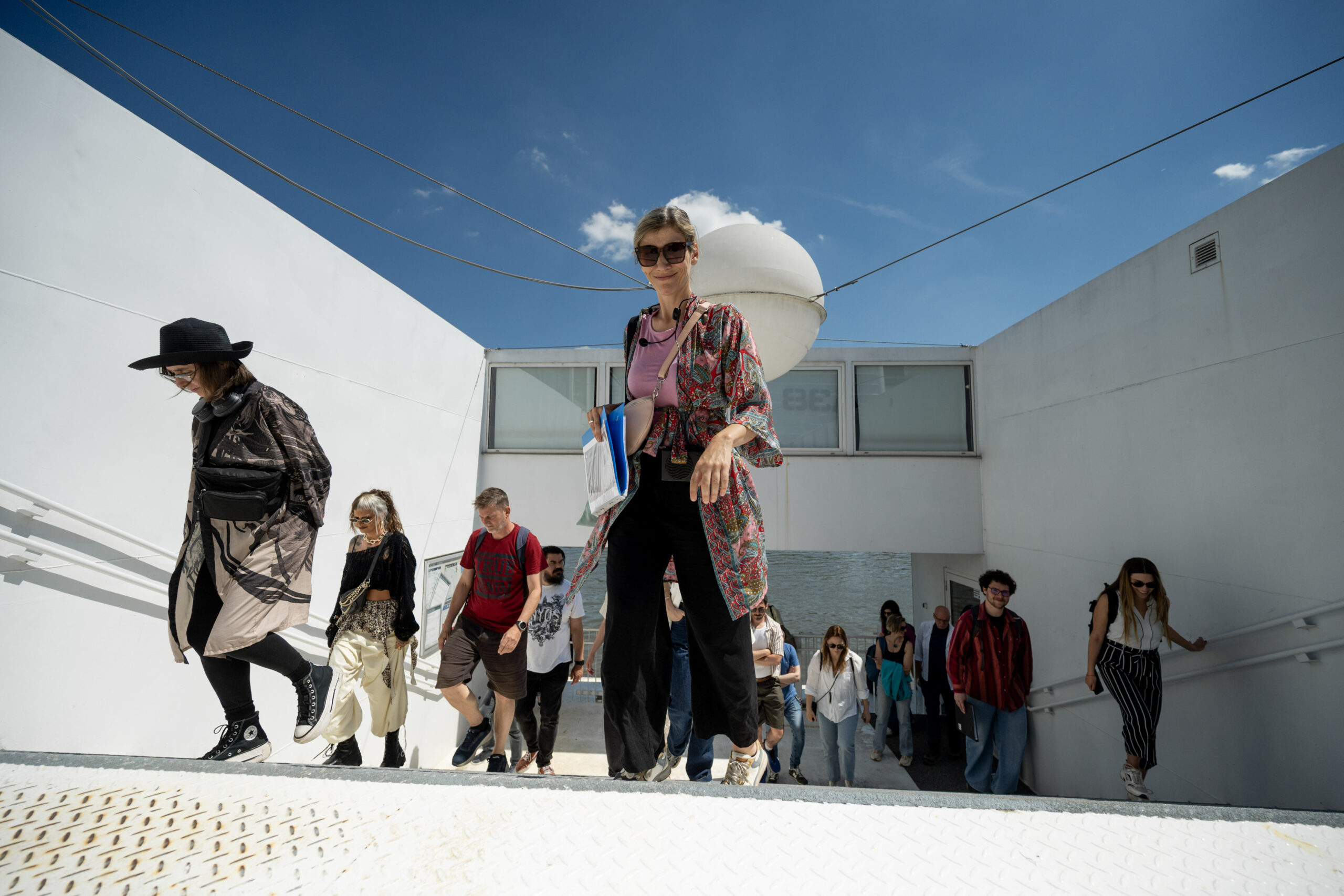
We spoke with Christoph Huber, co-founder and creative director of Vienna’s Porgy & Bess jazz club, following his visits to A38 Ship, the Budapest Music Center and Fonó. Our conversation covered artistic risk-taking, the cultural significance of concert recordings and plans for a club festival in Vienna that could showcase all three Budapest institutions.
Now that you have had the opportunity to visit A38, the Budapest Music Center and Fonó in person, what overall impression have you taken away of Budapest’s independent music institutions? Was there anything that particularly surprised you or changed your previous perception of the city’s musical life?
I had known all the places before & I had visited all of them at least once. I was very impressed by the high level of professionalism of each institution and by their individual musical focus, which profoundly reflects the wide variety of trends in the current Hungarian music scene—all at a high professional level.
A38, BMC and Fonó have very different artistic profiles and organisational structures, yet the work of all three extends far beyond presenting concerts. What common institutional mindset did you recognise in them, and what did you see as the most distinctive strength of each model?
Roughly spoken the A38 focus on Indie-Rock-Pop-Crossover, the BMC presents the contemporary jazzscene and Fono is the place for the traditional & contemporary folkscene. They all have their own venues/houses and they are all mainly private organisations, which shows that the responsible person take a high social-cultural responsibility the state is not providing. This proves again that the so called „free scene“ is a main force in the development of art in particular but also fort he society in general. All those instituations do not only organize concerts but also produce, document, distribute their work.
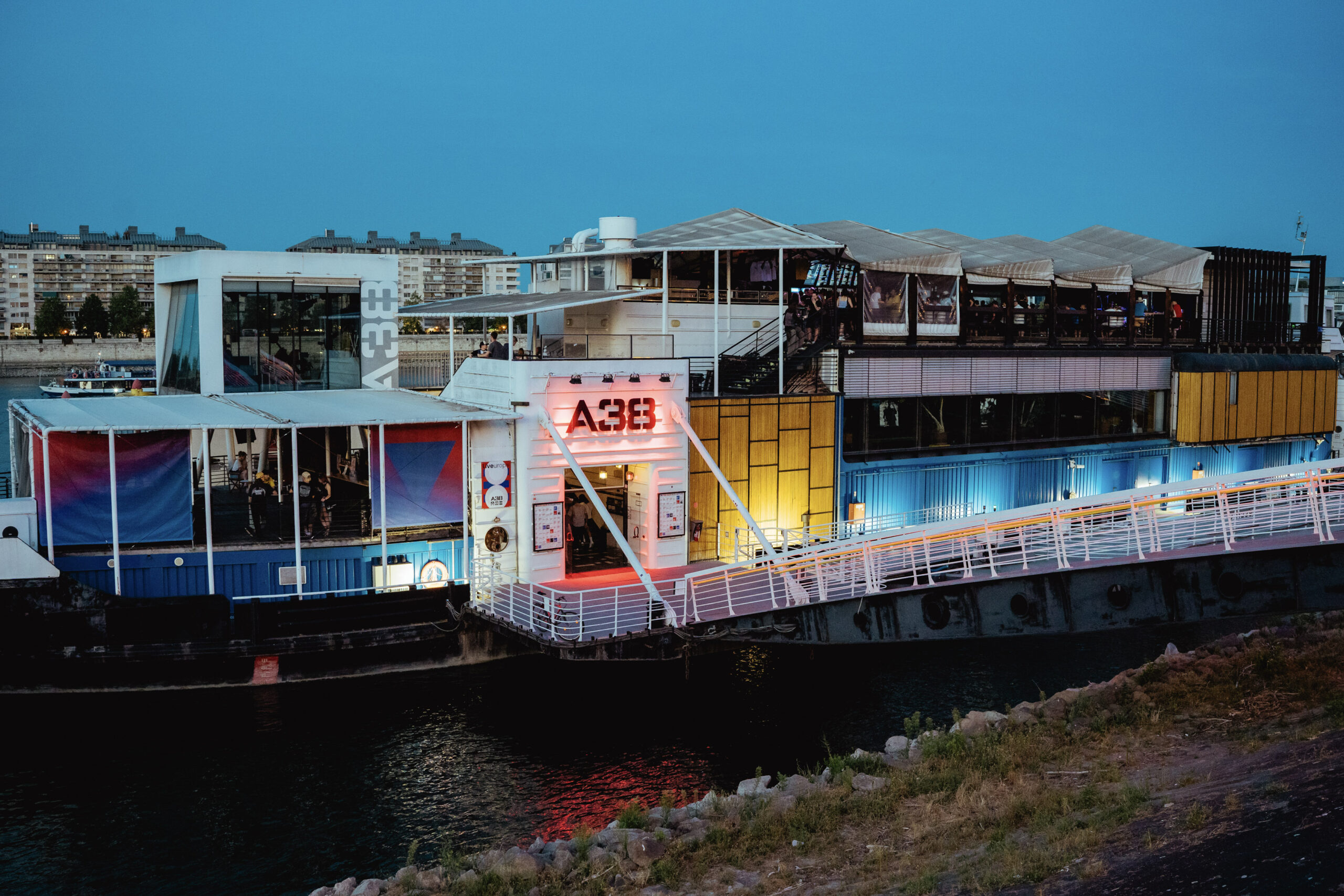
During your visit to A38, you were introduced not only to the concert spaces, but also to the studios, broadcast infrastructure and audiovisual archive behind the venue’s work. Which elements of this ecosystem struck you as the most distinctive or significant?
In my opinion the A38 is a role-model for the concentration of music, radio and tv in one venue. This has a lot of synergistic effects with a high valuable output, also in terms of reaching a broad audience all over the country.
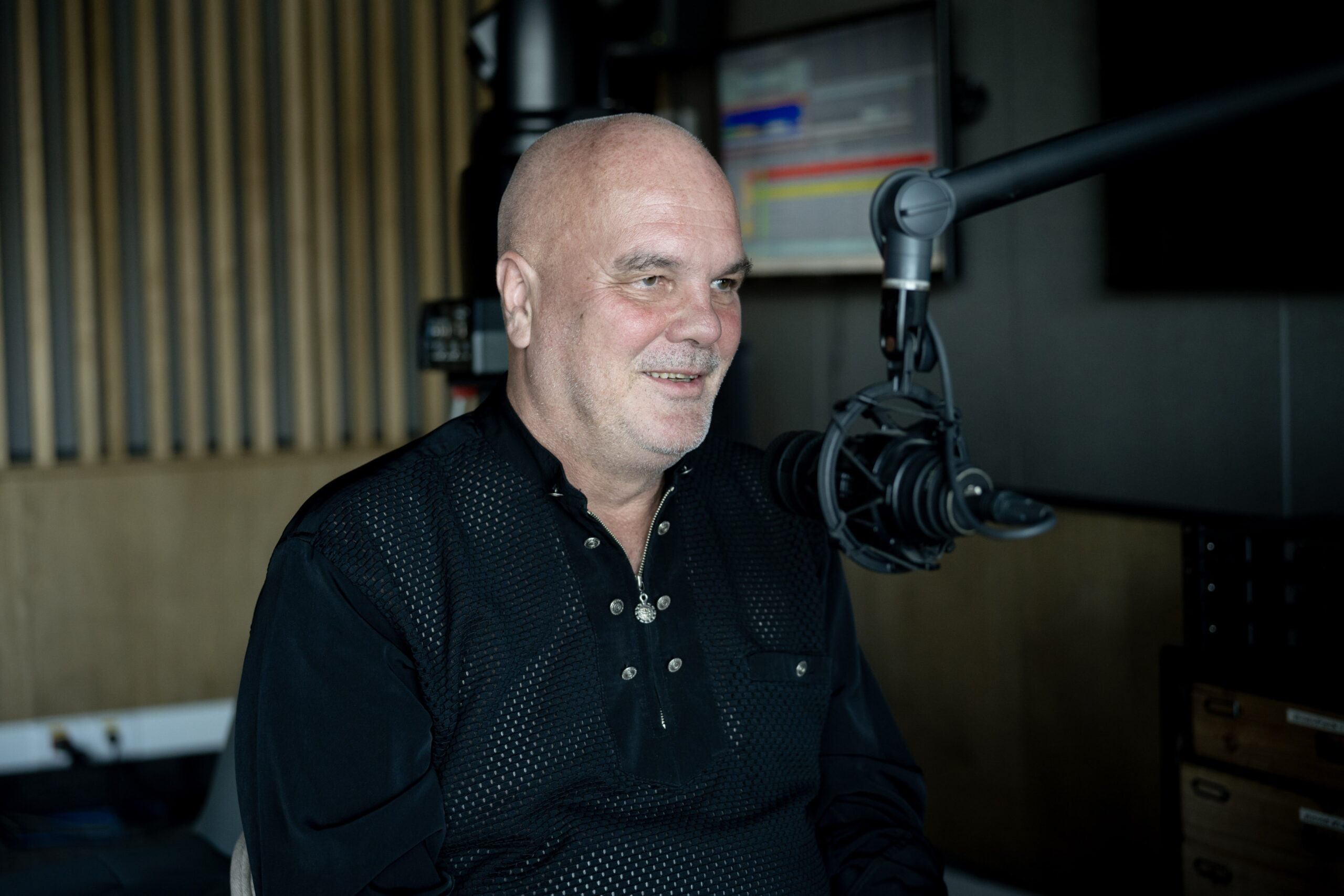
Where do you see the strongest similarities between A38 and Porgy & Bess, and what do you consider the most important differences between the two institutions?
The strongest similarity could be that the „heads“ of A38 and Porgy & Bess have a kind of a vision to improve the situation of music-scenes which are aside the cultural- mainstream. The most difference is the program: A38 more in the direction of Indie-Art & P&B has a focus on contemporary jazz.
Both A38 and Porgy & Bess record, broadcast and preserve live music. At what point does documentation become a curatorial and cultural responsibility rather than simply a technical addition to a concert? How can an archive remain active and relevant instead of becoming a static repository of the past?
„The past is prologue“ was the titel of program just presented at P&B. Without a background you cannot look straight in the future. „Tradition is not the worship of ashes, but the passing on of the flame“, was a sentenced said by the french politician Jean Jaures. If we don’t document actual developments a lot of relevant informations will get lost in the future. And one live-time truth: Those who do not remember the past are doomed to repeat it. Thats why documentation is our cultural responsibility to guarantee an artistic development in the future!
Porgy & Bess has a clearly defined jazz focus, while A38 works across a wide range of musical genres and scenes. What can a genre-focused institution and a multidisciplinary venue learn from each other about building a strong artistic identity without closing themselves off to new musical directions?
The subtitle of P&B is „Jazz & Musicclub“, which means that Jazz is the focus but there’s also the category „& Music“. It happened not only once that the same bands are sceduled at P&B & A38 (eg Asgeir in August this year). P&B presents music, which doesn’t have a specified venue in Vienna, this means that we don’t present classical- (because of Musikverein & Konzerthaus) or rock- (because of Rockhouses like Gasometer & Szene Wien) or folk-music, but many aesthetic-streams in between. So even if the program may look different, the philosophy of P&B & A38 is quite similar. And because life itself is a lifelong process of learning, we both can profit of the work of the partners…
One of the impressions that emerged during the visit was that Vienna may be able to rely on a more established core audience of committed jazz listeners than Budapest. How do you see the differences between the audiences of the two cities? How can a venue encourage audiences to attend not only for familiar artists, but also because they trust the venue’s curatorial judgement?
Thats the main secret! In my opinion there is no masterplan you have to follow and then you will succeed, except that you have to follow consistently your path or your vision without major compromises and with a „long breath“. I’m really convinced that quality will always succeed finally. When we started P&B in 1993 the first concerts where absolutely disappointing, because the concerts took place nearly without audience. One important measure was the introduction of the so called membercard, which allows the holder free admission to all concerts organized by P&B. This card was the guarantee that there is an audience also for concerts, which attract only a small amount of visitors. With the membercard-system we built up a regular audience, which helps to spread the word of mouth. I don’t believe that there are major differences in the audiences of different cities in terms of cultural expressions which only attract a minority. I think it is the responsible of an organizer to create „his/her“ audience by different measures. Multimedia presentation helps in this case. We did the experience that we gained audience since we offer a daily live-stream.
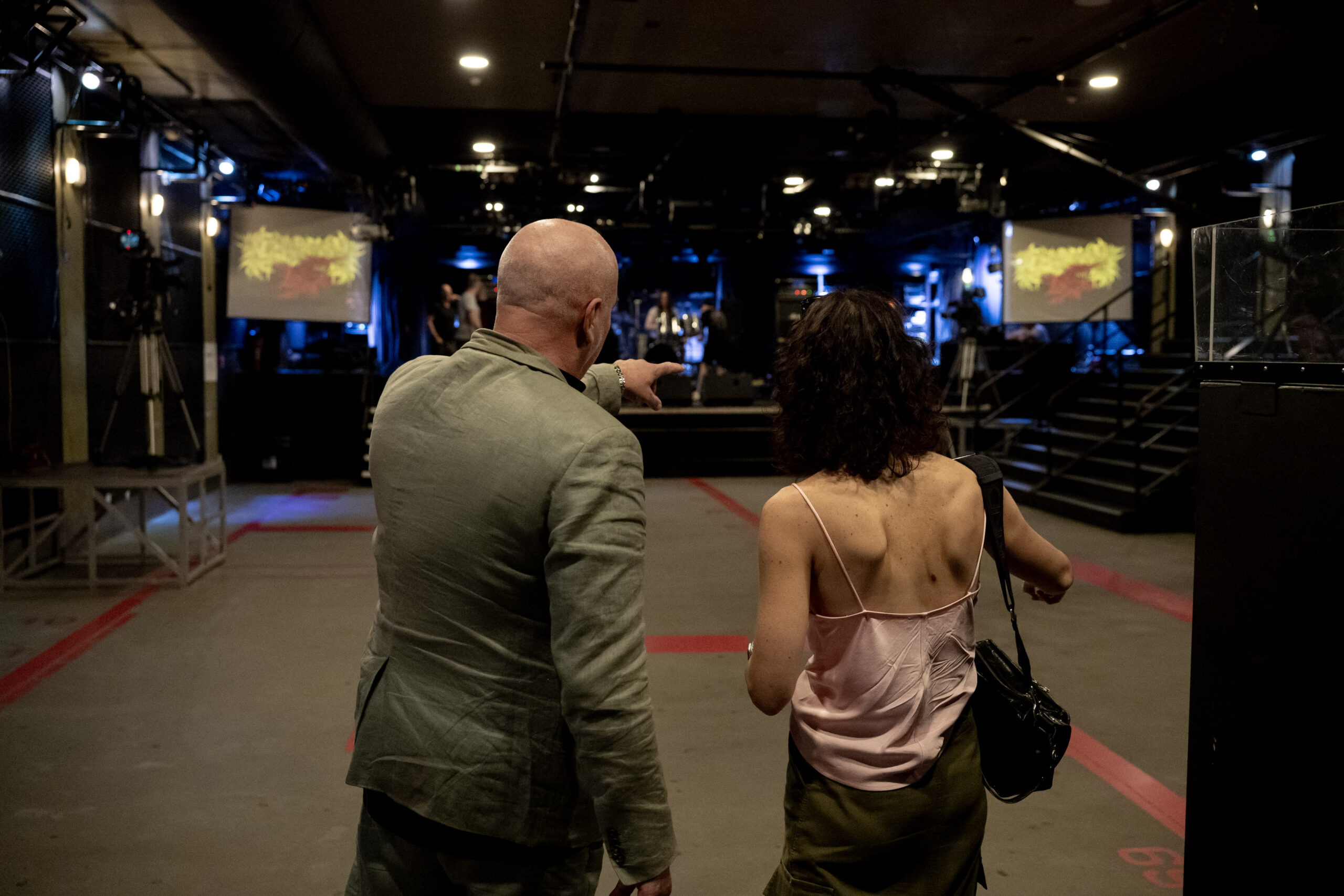
The institutions you visited operate within different funding systems, audience structures and cultural traditions. Which practices could genuinely be transferred from Vienna to Budapest or from Budapest to Vienna, and which are too closely connected to their specific local environments? Did you encounter any ideas or working methods in Budapest that could also inform the future work of Porgy & Bess?
Cultural traditions: Both countries have a centuries-old common history, seperated since just a bit more than 100 years. The border between those to countries is not existing anymore, but it looks like there is still a border in the heads of the people. We should be aware of the commons and not of the things which seperates us.
Audience structure: As I mentioned before, i strongly believe that there is an audience for music aside the mainstream in every country. It just the question, how to attract the attention of the potentially interested people. A small example: Since there is a jazz-afine person at the Austrian Cultural Forum in Budapest, more austrian musicians have the possibility of presenting their music e.g. in Opus Jazzclub, and winning a foreign audience. Cooperations with different partners is mostly a win-win-situation for all participating partners.
Funding system: P&B gets 15% of the budget from the city and the state, so we have to raise 85% of the money, which is a very low percentage in comparison with our (western)european partners. Approximately 55% is ticket sales… So I guess that the funding system is not so different as it looks in the first moment. We should be proud of not depending on the current cultural politics, which gives us more independence, although we also have to demand the political responsibility.
You have often emphasised the importance of artistic risk and of allowing projects the possibility not to achieve immediate commercial or audience success. How can a cultural institution protect this freedom under increasing financial and audience pressure? Did the Budapest institutions add any new perspectives to your thinking about this balance?
One the one side, you have to afford taking artistic risks, which means you need a budget for such projects, which should be guaranteed by the state (but what the politics is only providing in small doses), on the other side it is important to function as a talent scout to support the music of the future. This is always a tightrope walk, which we had to master. I think all of us found a way to handle those problems and we should support each other by presenting local scenes abroad. As a specific result of my visit we plan a three nights presentation of each club at P&B in late 2027 or early 2028, in curated by the three artistic directors and in cooperation with the Collegium Hungaricum in Vienna and other partners. This can be a small step to „popularize“ the work of those institutions…
How can music venues support emerging artists in a way that goes beyond offering them a single performance? Which forms of support, such as repeat invitations, recommendations between venues, joint curation, recordings, residencies or international introductions, can make the greatest difference to the development of a young artistic project?
Repeat invitations, recommendations between venues, joint curation, recordings, residencies or international introductions are the most important measures to develop a young artistic project. We should intensify those efforts by improving communication between each others or delevop new network-possibilities.
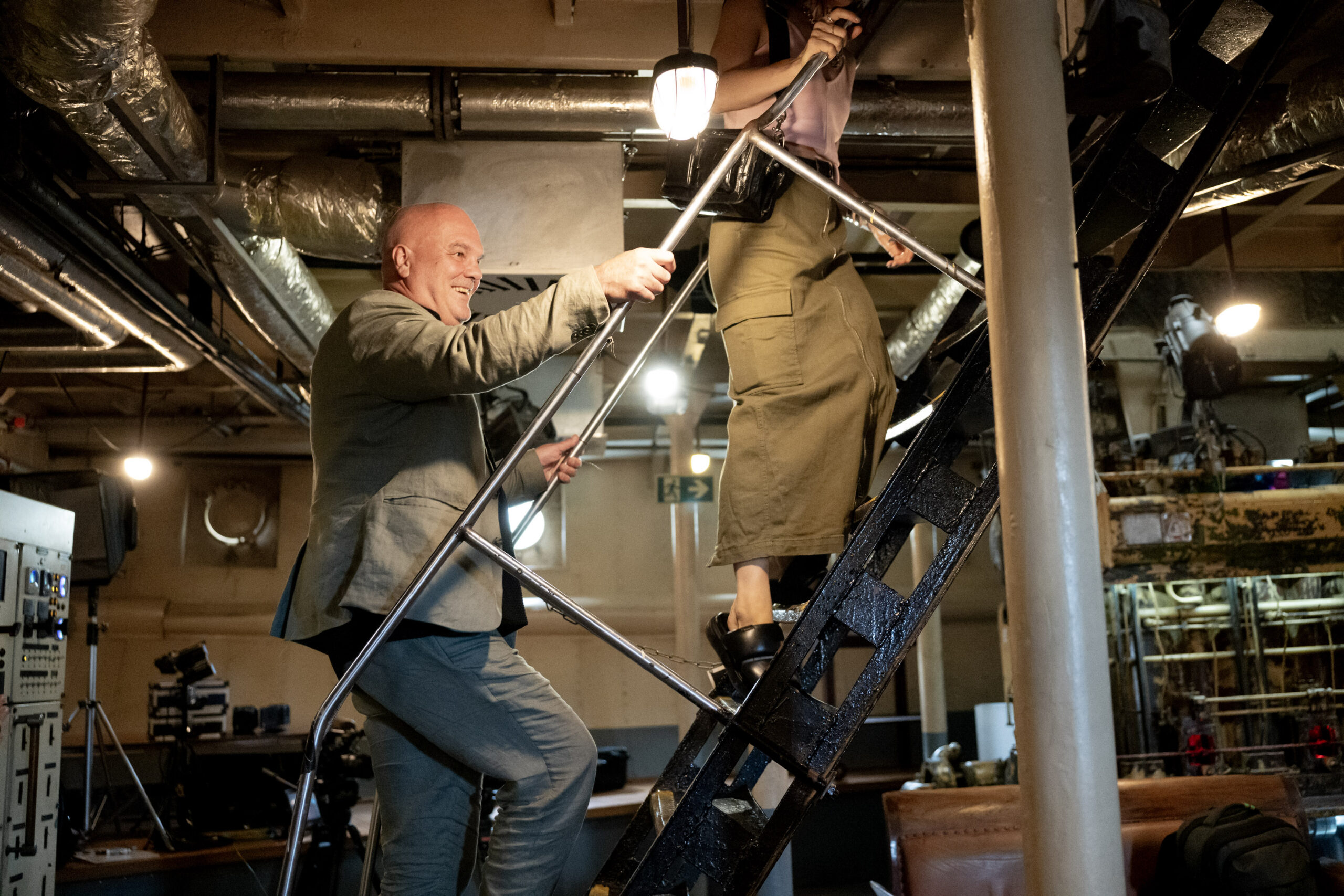
Vienna and Budapest already host many of the same touring artists, but the fact that musicians perform in both cities does not automatically create a meaningful professional relationship between the venues. What would be needed to turn geographical proximity and shared touring routes into sustained institutional cooperation?
Touring artists are always connecting cities, but this is basically done by international agencies and doesn’t have a relevant influence in the relationship between the venues. We have good experiences with a symbolic function of the membercard, which is also valid in cooperating partnerclubs like Moods/Zurich, Unterfahrt/Munich, Stadtgarten/Cologne, Bimhuis/Amsterdam, A-Trane/Berlin… Not a lot of membercard-holders are taking advantage of this offer, but it symbolize an inner-european collaboration within the jazzscene, which can‘t be materialised in ticket sales, but which indicates borderless solidarity.
Looking ahead, which forms of collaboration between A38 and Porgy & Bess would be the most realistic and meaningful: joint bookings, co-productions, audiovisual projects, the presentation of archival material, or the exchange of professional knowledge between staff?
The first step will be the already mentioned club-festival, which (as far as I know) didn’t happen in any other european capital before. We can announce this e.g. via the European Jazznetwork (EJN) to guarantee international attention. All the other forms mentioned in the question make sense and will develop the partnership in a positive way.
Finally, what is the most important idea, impression or working method from your Budapest visit that you will take back with you to Vienna?
P&B developed its organizational structure since more than three decades and we always tried to adjust the structure in terms of necessities or experiences. I take back to Vienna a lot of positive impressions after many interesting talks about how my collegues master their important jobs.
Nagyon köszönöm a meghívást!